Clasps, Crystals, and Character: The Art of Building a Vintage Jewelry Collection That's Purely You
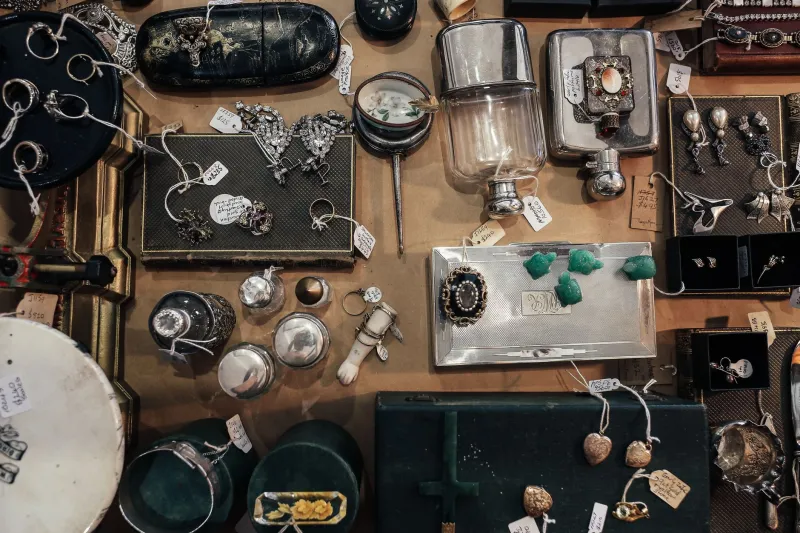
There is no accessory more loaded with meaning than a piece of vintage jewelry. Unlike a new purchase from a mall kiosk, a brooch from 1948 or a cocktail ring from 1962 has already lived a life. It sat in someone's jewelry box. It went to parties. It was probably worn on a night that mattered enormously to someone whose name you'll never know. When you put it on, you inherit a little of that history — and then you add your own.
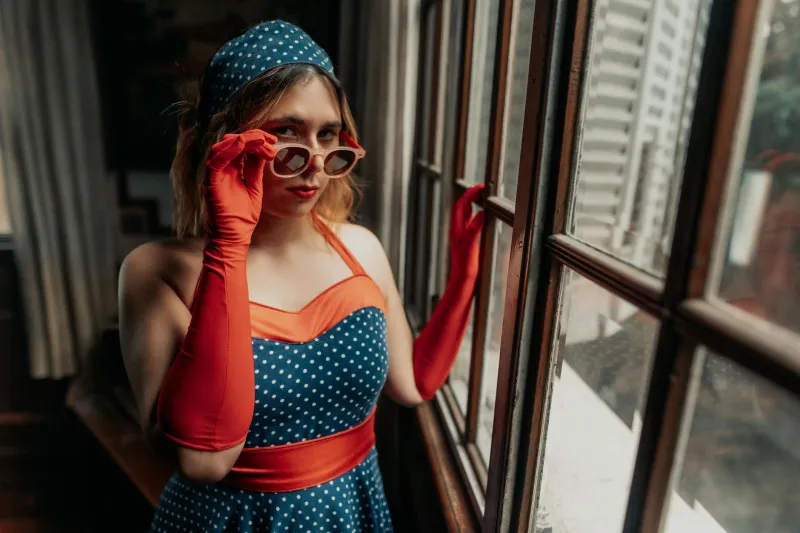
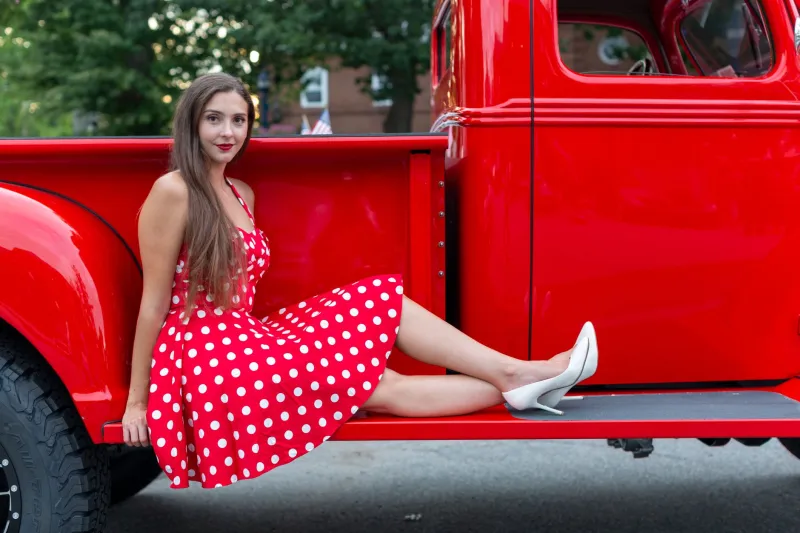
For women who love the pin-up aesthetic, vintage jewelry isn't an afterthought. It's the punctuation mark that completes the sentence.
Why Vintage Jewelry Hits Different
Modern costume jewelry is fine. It's accessible, affordable, and disposable. But there's a reason collectors will spend hours at an estate sale or refresh an Etsy search seventeen times for the right piece. Vintage jewelry, particularly from the 1920s through the 1960s, was made with a level of craft and material quality that's genuinely difficult to replicate at scale today.
Rhinestones from the 1940s and 1950s — often made by companies like Weiss, Lisner, or Trifari — were hand-set in individually soldered prongs. The glass was leaded, which gave it a refractive quality that modern acrylic simply cannot match. Clasp mechanisms were engineered to last decades. Plating was heavier. Details were finer.
"When I hold a piece of Miriam Haskell from the 1950s next to something mass-produced today, there's no comparison," says jewelry collector and dealer Margaux, who runs an online vintage shop out of Portland, Oregon. "The weight, the finish, the way the stones catch light — it's a completely different object. People feel that difference even before they know why."
A Brief Map of the Eras
Building a collection with intention means understanding what you're looking at. Each decade had its own visual language, and knowing the difference helps you shop smarter and style better.
Art Deco (1920s–early 1930s): Geometric precision, bold contrasts, and a love of platinum and white gold. Onyx, coral, jade, and diamonds arranged in symmetrical patterns. This era's jewelry looks architectural. It's sharp, modern in its bones, and pairs beautifully with sleek 1930s-inspired silhouettes.
Retro/Hollywood Glamour (late 1930s–1940s): Yellow gold came back in a big way when platinum was restricted for wartime use. Pieces got bigger and more dramatic — bows, flowers, ribbons rendered in gold and set with large synthetic rubies and sapphires. This is the era of maximum Hollywood drama.
Mid-Century Modern (1950s): The golden age of American costume jewelry. Rhinestones everywhere. Parure sets — matching brooch, earrings, and necklace — were the height of sophistication. Atomic and starburst motifs reflected the era's fascination with science and the future. This is pin-up jewelry in its purest form.
Early Mod (early 1960s): Clean lines, bold colors, and geometric shapes. Lucite, enamel, and oversized beads. The transition point between the glamour of the 1950s and the psychedelia of the late 1960s.
Where to Actually Find the Good Stuff
The honest answer is: everywhere, if you know how to look.
Estate sales are the holy grail. You're often buying directly from a family clearing out a home, which means pieces haven't been cherry-picked or marked up by a dealer. Get on estate sale notification lists in your area through sites like EstateSales.net. Show up early. Bring a loupe if you're serious.
Antique malls are more curated and more expensive, but they let you handle pieces before buying, which matters enormously with jewelry. Look for dealers who specialize in jewelry rather than general antiques — their eye and their stock will be sharper.
Online marketplaces — Etsy, Ruby Lane, and 1stDibs at the higher end — have expanded access to vintage jewelry dramatically. The downside is you can't assess weight, clasp quality, or stone clarity in person. Read descriptions carefully, ask sellers for additional photos, and always check return policies before buying anything significant.
Thrift stores can still yield miracles, though less frequently than they once did. The trick is consistency — go regularly to the same stores so you catch new donations before other collectors do.
Authentication Without a Degree
You don't need to be a gemologist to avoid getting burned, but a few fundamentals go a long way.
First, check for maker's marks. Most quality American costume jewelry from the 1940s–1960s was signed — look for stamps or engravings on the back of brooches, the inside of bracelet links, or the base of earring clips. Names like Miriam Haskell, Kramer, Coro, Eisenberg, and Trifari are reliable markers of quality and collectibility.
Second, assess the construction. Prong-set stones should be secure, not loose. Plating should show age-appropriate wear rather than flaking or bubbling unevenly (which suggests a later, cheaper reproduction). Clasps should function smoothly — a broken clasp on an otherwise intact piece is fine; a clasp that was clearly replaced recently might indicate the piece has been repaired or altered.
Third, trust weight. Quality vintage pieces have heft. If something feels insubstantial, it probably is.
"I always tell new collectors: hold the piece. Wear it for thirty seconds in the store if you can," advises Margaux. "Your body knows. If it feels like something, it usually is something."
Mixing Eras Like a Pro
One of the greatest pleasures of a vintage jewelry collection is that the rules about matching are largely invented. A 1930s Art Deco ring pairs beautifully with a 1950s rhinestone bracelet if you understand what connects them — in this case, the cool, silver-toned palette.
The key is to find your through-line. Some collectors organize by color — all warm gold tones, for example, regardless of era. Others organize by motif — florals only, or geometric pieces only. Some mix freely but always anchor with one statement piece and keep everything else quieter.
For pin-up styling specifically, the 1950s parure is your best friend. A matching set of rhinestone earrings and a necklace does more work than almost any other accessory combination. It signals intention. It photographs magnificently. And it's the kind of thing that makes people stop you on the street.
Investment vs. Wear: Finding the Balance
Not every vintage piece needs to be treated like a museum artifact, but some pieces genuinely appreciate in value and deserve careful handling. Signed pieces by collectible makers, complete parure sets in excellent condition, and pieces with documented provenance tend to hold and increase in value over time.
A practical approach: build a collection with two tiers. Your "everyday" vintage pieces — unsigned but beautiful, slightly worn, acquired cheaply — get worn freely and often. Your "investment" pieces — signed, excellent condition, carefully sourced — get worn for special occasions and stored properly in tarnish-resistant pouches away from light and humidity.
"The worst thing you can do with vintage jewelry is lock it away forever," says Margaux. "These pieces were made to be worn. They look better on a person than in a box. Just be thoughtful about which ones you're rough with."
Your Collection Is Your Autobiography
Here's the thing about building a vintage jewelry collection that nobody tells you at the beginning: it becomes deeply personal very quickly. The brooch you found at an estate sale in Memphis. The cocktail ring your aunt gave you from her own collection. The pair of earrings you bought yourself after a difficult year as a reminder that you made it through.
Every piece accumulates meaning. And when you wear them together, you're not just accessorizing an outfit. You're wearing your own story.
That's the pin-up philosophy in its purest form — not dressing for anyone else's approval, but adorning yourself with intention, history, and an absolute refusal to be boring.