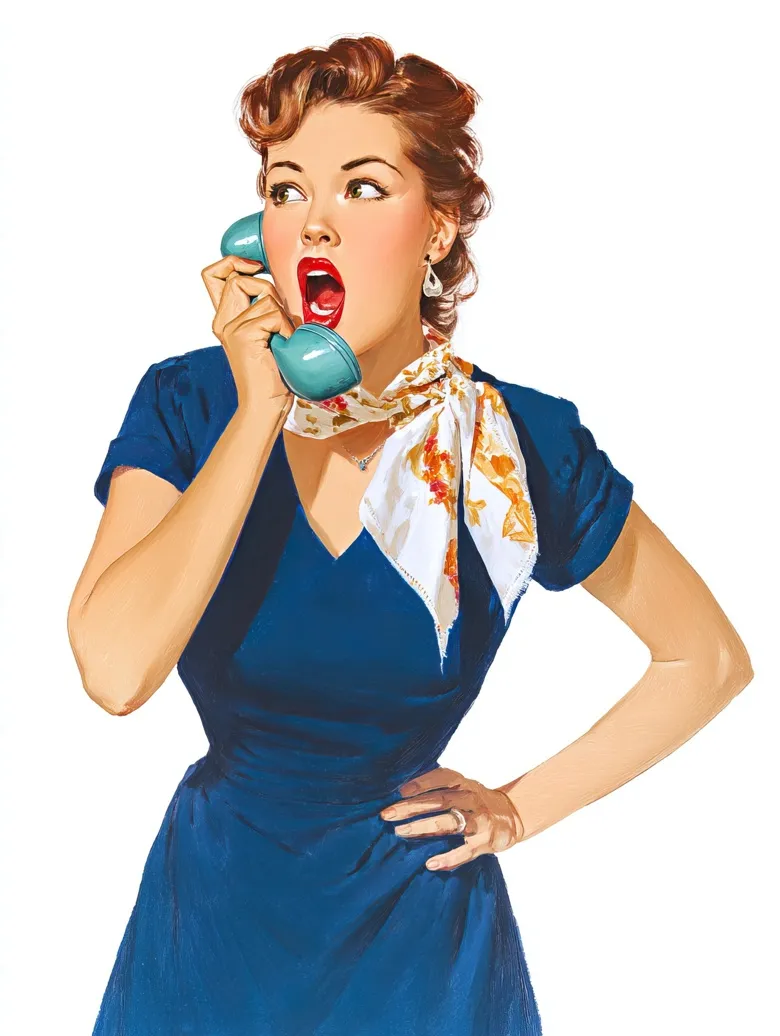
Curl Up and Go Viral: How Victory Rolls Conquered TikTok One Pin at a Time
Somewhere between the endless parade of glass-skin tutorials and "clean girl" aesthetics, something gloriously old-fashioned snuck into your For You Page and refused to leave. Victory rolls — those sculpted, gravity-defying swirls that defined the look of World War II-era pinup girls and Hollywood starlets — are back, baby. And this time, they're racking up millions of views on TikTok, earning real estate in mainstream beauty content, and winning over a generation of young women who weren't even alive when Grease hit theaters.
Welcome to the retro hair revival. Population: everyone cool.
What Even Are Victory Rolls?
For the uninitiated, victory rolls are a classic updo technique where sections of hair are curled or rolled outward and pinned close to the scalp, creating those signature round, sculptural shapes that frame the face. The style got its name during the 1940s — some say it referenced the aerial victory maneuver performed by fighter pilots, a patriotic nod during wartime that women wore on their heads like a badge of pride.
Paired with pin curls (tight, flat spirals set against the scalp and secured with bobby pins), the overall look is unmistakably vintage — polished, intentional, and dripping with a kind of put-together femininity that feels almost radical in today's "effortless" beauty culture.
The irony? Victory rolls take real effort. And Gen Z loves them for exactly that reason.
TikTok Made Me Do It (In Vintage)
Search #victoryrolls on TikTok right now and you'll find thousands of tutorials ranging from beginner-friendly to full-on vintage artistry. Creators like @retrobeautybabe and a growing community of self-described "vintage lifestyle" influencers are racking up hundreds of thousands of followers by doing something deceptively simple: teaching people how to look like they stepped off the set of a 1950s Hollywood film.
The numbers don't lie. Videos tagged with vintage hair, retro hairstyle, and 1950s hair collectively pull in hundreds of millions of views annually. Brands like Suavecito, Murrays, and Goody — a company that's been selling bobby pins since before your grandma was born — have seen renewed interest in their classic product lines directly tied to the vintage hair trend.
What's driving the clicks? Stylists and beauty creators point to a few converging forces.
"There's a real hunger for something that feels handmade," says Dallas-based vintage hair specialist Renata Cruz, who runs a popular series of retro tutorial videos. "Everything online is so filtered, so algorithmically perfect. When someone sits down and physically sculpts their hair with their hands, uses bobby pins, maybe a little setting lotion — there's a craftsmanship to it that people respond to emotionally. It feels real."
The Authenticity Equation
Here's the thing about Gen Z that older generations sometimes miss: these kids are deeply skeptical of anything that feels manufactured or fake. They grew up with Instagram's highlight reel, watched influencer culture implode under the weight of its own inauthenticity, and came out the other side craving something with actual roots.
Vintage aesthetics — whether it's thrifted 1950s circle skirts, vinyl records, or victory rolls — offer exactly that. History. Craft. A connection to a time when things were made to last.
"My followers are mostly 18 to 25," says Phoenix-based content creator and vintage enthusiast Marisol Vega. "They're not doing this because it's trendy in a disposable way. They're genuinely curious about history. They want to know why women wore their hair this way, what it meant culturally. The hair is a gateway into a whole world."
That gateway often leads straight to broader vintage lifestyle rabbit holes — pinup fashion, mid-century home décor, vintage makeup techniques, even swing dancing. Victory rolls aren't just a hairstyle. They're a whole vibe.
Adapting Classic Techniques for Modern Hair
One of the most exciting developments in the vintage hair revival is how contemporary stylists are making classic techniques work for a much wider range of hair textures and types than the original tutorials ever accounted for. Old Hollywood beauty manuals were, to put it plainly, not written with everyone in mind.
Modern creators are changing that.
Natural hair stylists on YouTube and TikTok have developed techniques for achieving victory roll-adjacent styles on 4C coils and tight curls without heat damage. Stylists working with fine hair have adapted the roll structure using lightweight foam rollers and flexible-hold pomades. There are tutorials for short bobs, layered cuts, and even mid-length hair that was previously considered "too short" for the classic look.
"The vintage community has gotten so much more inclusive in the last five years," says Cruz. "We're seeing Black, Latina, and Asian creators bringing their own cultural aesthetics into the vintage space and combining them with these classic techniques. It's genuinely beautiful to watch."
Products matter too. Modern setting sprays, flexible-hold gels, and updated versions of the old standby — Dippity-Do, anyone? — have made it easier than ever to achieve long-lasting vintage curls without the full commitment of a traditional wet set.
Why Nostalgia Hits Different Right Now
Psychologists who study aesthetic trends note that nostalgia for specific historical eras tends to spike during periods of collective uncertainty. The early 2020s handed us a pandemic, economic turbulence, and a cultural conversation that often felt exhausting and overwhelming. It makes complete sense that people started reaching for aesthetics that felt warm, familiar, and — however idealized — simpler.
The 1950s, with their pastel color palettes, structured silhouettes, and sense of domestic optimism, have always been a particularly potent nostalgic touchstone for Americans. Never mind the complicated history underneath the surface gloss. The aesthetic of the era — the diners, the drive-ins, the pin curls — carries an emotional charge that transcends the politics.
Victory rolls, in that context, aren't just a hairstyle. They're a mood. A statement. A small, personal act of beauty that says: I took the time. I made something with my hands. I looked backward to feel better about right now.
How to Get the Look
Ready to roll? Here's the quick-start guide:
- Start with texture. Victory rolls grip better on second-day hair or hair prepped with a light texturizing spray.
- Section cleanly. The size of your roll determines the drama. Larger sections make bolder rolls; smaller sections create more delicate shapes.
- Roll toward your face for the classic pinup effect, then secure tightly with bobby pins crossed in an X pattern.
- Finish with strong-hold hairspray. This is not the moment for light-hold anything.
- Practice. Seriously. Your first attempt will be humbling. Your tenth will be stunning.
The beauty community on TikTok is endlessly patient with beginners — search "easy victory rolls for beginners" and you'll find step-by-step breakdowns that hold your hand through every pin.
The Roll Goes On
Victory rolls started as a symbol of resilience — women on the home front keeping their chins up and their hair perfectly coiffed while the world felt uncertain. There's something quietly poetic about the fact that a new generation has picked up the bobby pins for remarkably similar reasons.
The vintage hair revival isn't a fleeting trend. It's a conversation across generations — a way for young women to reach back through time, grab something beautiful and intentional, and make it their own. And at Pin-Up 891, we think that's just about the most glamorous thing we've ever heard.
Now go find your bobby pins. History's calling.