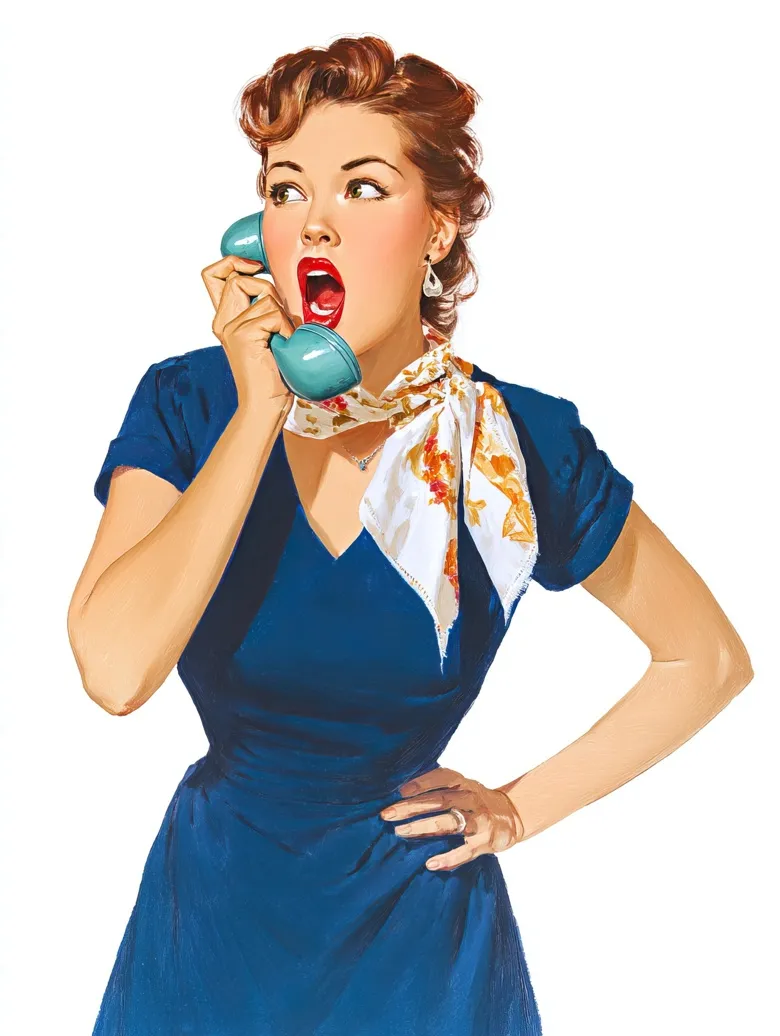
Strike a Pose, Anywhere: The DIY Pin-Up Photo Craze Taking Over America's Backyards
Somewhere in suburban Ohio, a woman named Tanya is draping a vintage-style polka-dot scarf over a lawn chair, adjusting a ring light she bought off Amazon, and asking her husband to stop laughing long enough to take the shot. The backdrop is her own backyard — a perfectly ordinary stretch of green grass with a wooden fence — but the scene she's creating is pure 1950s glamour.
This is pin-up photography in 2024, and it's happening everywhere.
What was once the exclusive territory of professional photographers and specialty studios has quietly evolved into one of the most accessible, joyful, and genuinely surprising hobbies sweeping across the United States. From garage setups in the Pacific Northwest to community studio collectives in the South, everyday people — of every age, body type, and background — are investing in vintage styling, borrowing props, and spending their weekends doing something that feels equal parts silly and completely wonderful.
How Did We Get Here?
The roots of this particular craze stretch back a few years, to the intersection of two very different cultural forces: the pandemic-era desire for creative projects with tangible results, and the social media explosion of vintage aesthetics.
When people were stuck at home with time on their hands and an increasingly urgent need to feel something, many turned to photography. But not just any photography — styled photography. Themed shoots. Intentional images. And for a significant chunk of the population, the aesthetic that resonated most deeply was the warm, structured, unapologetically fun world of retro pin-up.
TikTok and Instagram did the rest. Accounts dedicated to vintage fashion, 1950s lifestyle content, and pin-up styling built massive followings, and with them came a community of people who didn't just want to look at the images — they wanted to be in them.
The Backyard Studio: Making It Work with What You've Got
Here's the beautiful thing about pin-up photography as a hobby: it scales. You can spend thousands on a professional photographer, custom-made reproduction wardrobe, and a fully decorated studio set — or you can spend an afternoon sourcing props from a thrift store and shoot in your own driveway. Both approaches produce something worth hanging on the wall.
For amateur photographers just getting started, a few fundamentals go a long way.
Lighting is everything. The soft, warm light of the golden hour — about an hour before sunset — is genuinely your best friend for this style of shoot. It flatters skin tones, creates natural warmth, and gives images that dreamy, slightly hazy quality that vintage photography is known for. If you're shooting indoors, a large softbox or a ring light positioned at roughly a 45-degree angle will do solid work.
Props tell the story. A classic car, a vintage bicycle, a retro refrigerator, a garden hose — the props associated with pin-up imagery are often everyday objects recontextualized through styling and pose. Thrift stores, estate sales, and Facebook Marketplace are goldmines. A good prop doesn't need to be expensive; it needs to be evocative.
The pose is a conversation. Classic pin-up posing follows a pretty recognizable grammar: a playful over-the-shoulder glance, a bent knee, a hand on the hip, a gesture that implies motion or personality. Studying vintage pin-up artwork — Vargas, Elvgren, the great illustrators of the era — is genuinely useful reference material, not just for subjects but for photographers thinking about composition and framing.
Community Is the Secret Ingredient
What really distinguishes this hobby from a casual interest is the community that's formed around it. Across the country, pin-up photography groups have popped up on Facebook, Reddit, and Discord, where members share styling tips, coordinate group shoots, troubleshoot lighting problems, and celebrate each other's results with genuine enthusiasm.
Many of these communities organize what they call 'glam days' — informal group sessions where members come together to do hair and makeup, swap clothing and accessories, and rotate through styled setups while taking turns behind and in front of the camera. It's collaborative, low-pressure, and often hilarious. The social component is, for many participants, just as appealing as the photographs themselves.
Smaller cities and towns have seen the rise of community studio spaces — shared creative venues where members pay a modest monthly fee for access to styled sets, lighting equipment, and prop collections. These spaces have become informal gathering points for vintage enthusiasts, cosplay communities, and anyone who wants a dedicated place to make something beautiful without committing to a professional studio rate.
Why This? Why Now?
It's worth asking what specifically draws people to the pin-up aesthetic rather than, say, a different vintage style or a contemporary photography trend. The answer seems to be layered.
There's the obvious appeal of the aesthetic itself — the bold colors, the playful attitude, the sense of confident femininity that pin-up imagery has always projected. But there's also something more personal happening. For a lot of participants, a pin-up photoshoot is an exercise in reclaiming something: their image, their body, their sense of fun.
In a media landscape that often makes people feel surveilled and judged, there's something quietly powerful about staging your own images on your own terms. You choose the wardrobe. You choose the pose. You choose what gets posted and what stays private. The control is entirely yours, and for many people, that's genuinely liberating.
The nostalgia factor matters too. The 1950s aesthetic — whatever its real historical complications — represents, in the popular imagination, a kind of uncomplicated joy. Bright colors, summer afternoons, a sense of ease. In uncertain times, reaching for that imagery feels like reaching for comfort, even if the comfort is partly constructed.
Tips for Your First Shoot
If this sounds like something you want to try — and honestly, why wouldn't it — here's a quick-start guide from the people who've already been doing it.
- Start with the wardrobe. A circle skirt, a fitted blouse, and a pair of classic heels will take you 80% of the way there. Reproduction vintage clothing brands like Unique Vintage and Pinup Girl Clothing are great resources, but thrift stores work just as well.
- Do the hair and makeup first. A victory roll, a classic red lip, and a defined brow transform a photoshoot from casual to committed. Even simple vintage styling reads beautifully on camera.
- Find your light before you find your pose. Move around your space at different times of day and see where the light does the most interesting things. Then build your setup around that spot.
- Shoot more than you think you need to. Give yourself room to experiment. The best images from any session are rarely the first ones.
- Have fun with it. Seriously. The shoots where people are laughing and goofing around between setups almost always produce the most charming images.
Glamour, Democratized
What the DIY pin-up photography movement ultimately represents is something pretty simple and pretty wonderful: the idea that glamour doesn't belong to professionals, celebrities, or a particular era. It belongs to anyone willing to put on a great outfit, find some decent light, and strike a pose.
And if that pose happens to be in your backyard, next to the garden hose and the slightly-overgrown rose bushes? Even better. That's the whole point.