Roll the Dice, Doll: How Pin-Up Culture and Retro Gaming Are Throwing the Best Party of the Decade
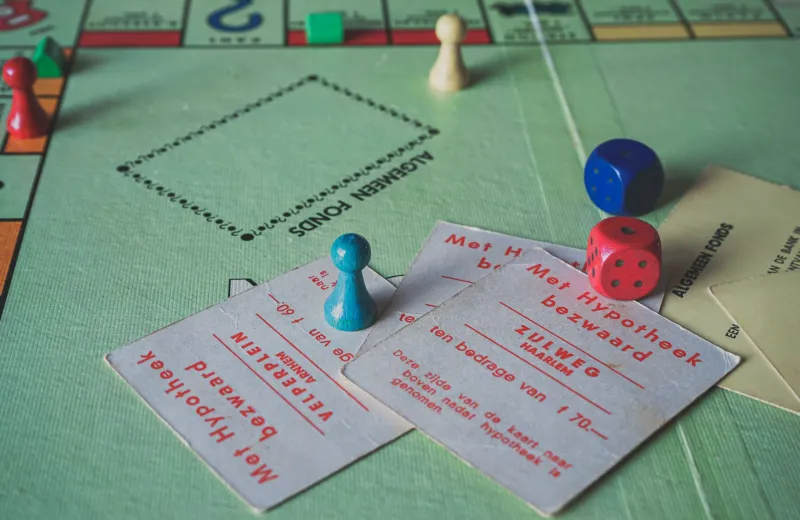
There's a particular kind of magic that happens when someone walks into Darlene Kowalski's living room in Columbus, Ohio for the first time. The walls are seafoam green. A vintage Wurlitzer jukebox hums softly in the corner. And dead center on a chrome-legged table covered in a cherry-print oilcloth sits a 1958 edition of Scrabble, tiles polished like little ivory jewels, waiting for its next round of players.
"People always stop in the doorway," Darlene says, laughing. "They don't know what to look at first — the pinball machine or the deviled eggs."
Darlene is one of a growing number of pin-up enthusiasts across the country who are weaving vintage gaming culture directly into their retro lifestyle — and honestly? The combination makes a whole lot of sense.
Why Gaming and Pin-Up Culture Were Always Meant to Be Together
The postwar era that gave us the classic pin-up aesthetic also gave us the golden age of American recreational culture. The 1940s and '50s were absolutely obsessed with leisure — bowling alleys, drive-in theaters, rec rooms, and the kind of slow, deliberate fun that didn't require a screen smaller than your thumbnail.
Board games were a staple. Pinball parlors were electric, loud, and a little bit scandalous. Arcade culture, which really started finding its legs in the late '50s and early '60s, carried that same kitschy, neon-lit energy that pin-up aesthetics have always celebrated. The overlap isn't a trend so much as a homecoming.
"The pin-up world is really about curating a whole lifestyle, not just a look," explains Vivienne Marchand, a burlesque performer and self-described "retro home enthusiast" based in Nashville. "When you're already collecting vintage barware and sourcing authentic '50s furniture, it's a pretty short leap to hunting down original board game editions and mid-century arcade pieces."
Vivienne recently converted her spare bedroom into what she calls a "glamour rec room" — complete with a restored Bally pinball machine, a pegboard wall displaying vintage game boxes, and a cocktail cart stocked for a proper game night. She's hosted monthly gatherings there for the past two years, drawing in a mix of pin-up performers, collectors, and curious newcomers who heard about the parties through Instagram.
The Collectors Making It Happen
The vintage gaming market has exploded in recent years, and pin-up collectors are a surprisingly significant part of that wave. Original editions of classic games like Clue, Monopoly, and Sorry! — especially those produced between 1945 and 1965 — are being snapped up at estate sales, flea markets, and online auctions at record rates.
For many collectors, the appeal is deeply aesthetic. The box art from that era is legitimately gorgeous — bold colors, illustrated characters with exaggerated proportions, and a graphic design sensibility that feels completely at home next to a framed Alberto Vargas print.
"I didn't start out as a gamer," admits Roxanne Delacroix, who runs a popular vintage lifestyle blog out of Portland, Oregon. "I started buying old board games because the boxes looked incredible on my shelves. Then I actually started playing them, and now I'm completely hooked."
Roxanne has amassed a collection of over 80 vintage games, with a particular soft spot for mid-century party games and anything that came with elaborately illustrated playing pieces. She's especially fond of a 1953 edition of Careers she found at a swap meet in Gresham, its box featuring a wide-eyed brunette in a pencil skirt looking absolutely thrilled about her professional options.
"There's something both funny and kind of poignant about those old game illustrations," she says. "The women are always so done-up, so perfectly presented. It's very pin-up, even when it's unintentional."
Game Nights with a Vintage Twist
Across the country, pin-up communities are formalizing the fun with dedicated retro game nights that blend competitive play with serious style. These aren't your average casual hangouts — attendees often dress the part, with victory rolls, swing skirts, and winged liner making appearances alongside vintage Parcheesi boards and hand-painted poker chips.
In Chicago, a collective called the "Bombshell Social Club" hosts quarterly game nights at a local vintage bar, complete with a dress code ("full retro or go home," according to their event flyer) and a rotating roster of games sourced entirely from the pre-1970 era. Attendance has grown steadily since their first event two years ago drew about fifteen people to a back room.
"Last spring we had over ninety people show up," says organizer Patsy Holm, who also performs burlesque under the name Patsy Pistols. "We had to turn folks away. People are genuinely hungry for this kind of social experience — something tactile, face-to-face, and wrapped up in a lot of visual glamour."
Patsy credits the broader cultural exhaustion with digital everything as a real driver of the trend. "There's something deeply satisfying about holding actual game pieces in your hands, rolling real dice, and looking across a table at a friend who's wearing a petticoat and drinking a Sidecar. It feels luxurious, almost radical."
Pinball Is Having Its Absolute Moment
If board games are the cozy heart of the retro gaming revival, pinball machines are its neon-lit soul. Restored vintage machines — particularly those produced by manufacturers like Williams, Gottlieb, and Bally during the '50s and '60s — have become increasingly coveted statement pieces in pin-up home décor.
The machines aren't cheap. A well-restored mid-century pinball cabinet can run anywhere from $1,500 to well over $5,000 depending on the model and condition. But for enthusiasts who are already investing seriously in vintage furniture, authentic barware, and period-correct textiles, a pinball machine represents the ultimate rec room centerpiece.
"Mine is named Gerald," says Vivienne, referring to her 1961 Bally "Bally Hoo" machine with obvious affection. "He's temperamental and he eats quarters like nobody's business, but he's the star of every party."
Several pin-up performers have also begun incorporating gaming aesthetics into their stage work and social media presence, posing with vintage game boxes, shooting content beside lit-up pinball machines, and leaning into the playful, kitschy energy that both worlds naturally share.
Building Your Own Retro Gaming Space
For anyone looking to dip a toe into this world without committing to a full rec room overhaul, the entry points are genuinely accessible. Estate sales and thrift stores remain the best hunting grounds for vintage board games, and you can often find them in excellent condition for just a few dollars. Flea markets in larger cities — particularly those with active vintage communities — frequently carry mid-century game editions.
For the aesthetic side of things, vintage game boxes displayed openly on shelves or in glass-front cabinets make for surprisingly striking décor. Pair them with a period-appropriate tablecloth, some kitschy ceramic pieces, and decent lighting, and you've got a corner of your home that feels genuinely transported.
The pinball machine remains a bigger commitment, but restoration communities online — particularly on Reddit and dedicated forums — are warm, knowledgeable, and enthusiastic about helping newcomers navigate the market.
Mostly, though, the women driving this renaissance want you to know that the point is the fun. The glamour is a bonus.
"Life is short and the dice are always rolling," Darlene says, setting up the Scrabble board with the practiced efficiency of someone who has done it a hundred times. "You might as well look fabulous while you play."
Hard to argue with that, darling.